Becoming a better manager with a TMAF bursary
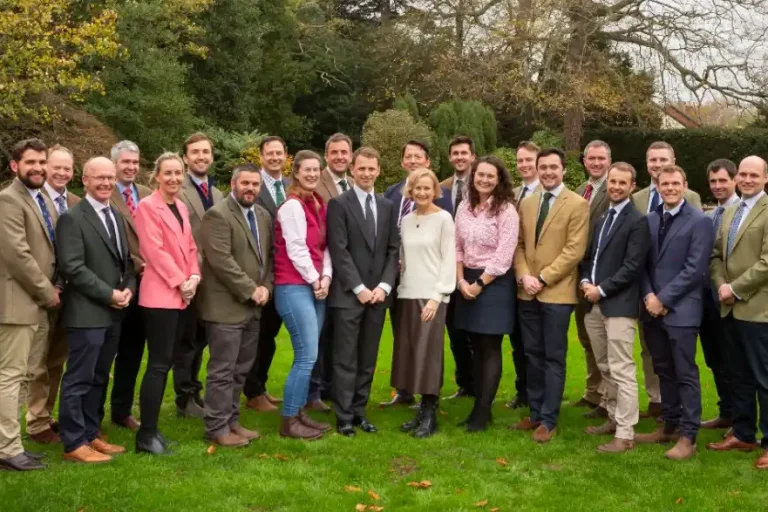
A TMAF bursary supported Jason Cantrill of Ceres Rural to attend the 74th Worshipful Company of Farmers Rural Business Management Course at Shonehouse, Gloucestershire.

A TMAF bursary supported Jason Cantrill of Ceres Rural to attend the 74th Worshipful Company of Farmers Rural Business Management Course at Shonehouse, Gloucestershire.
Clemmie Gleeson describes why and how she was awarded a TMAF bursary, what she did with it and how it is already making a positive impact in her work.
Frances Roberson describes how one of our TMAF bursaries is helping her current career and future plans.
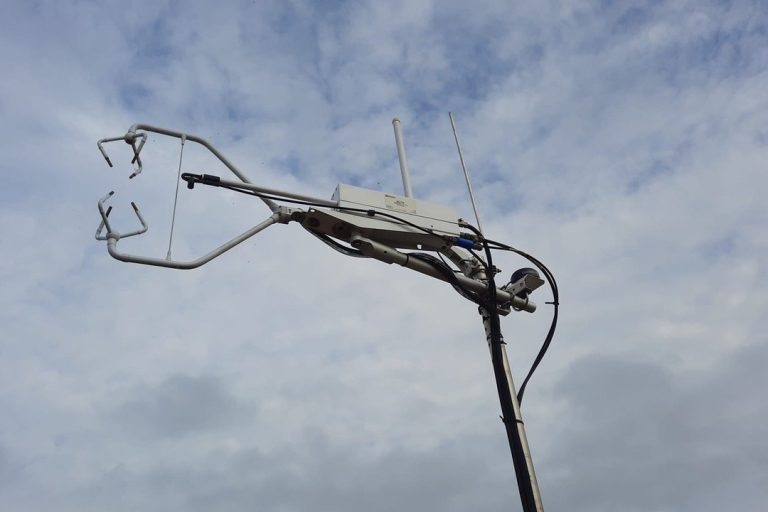
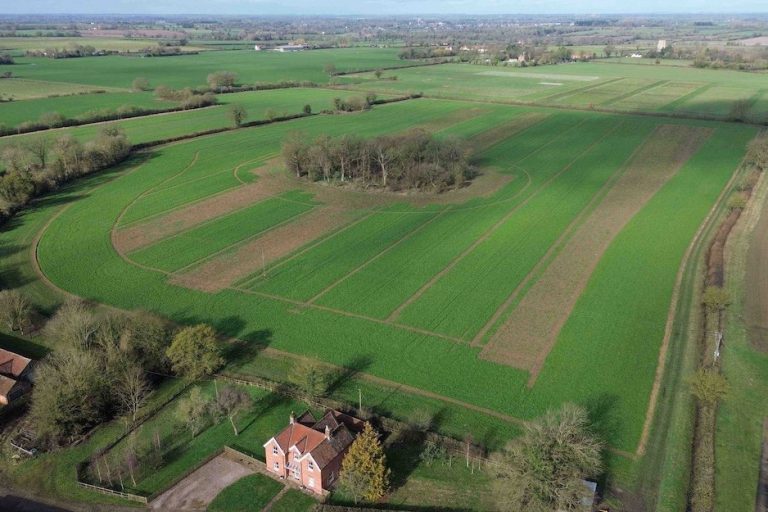
The TMAF flux tower project at Morley is providing a clearer picture of how sugar beet, cover crops and subsequent cereals affect carbon emissions across the rotation, reports Dr Georgina Barratt from BBRO.
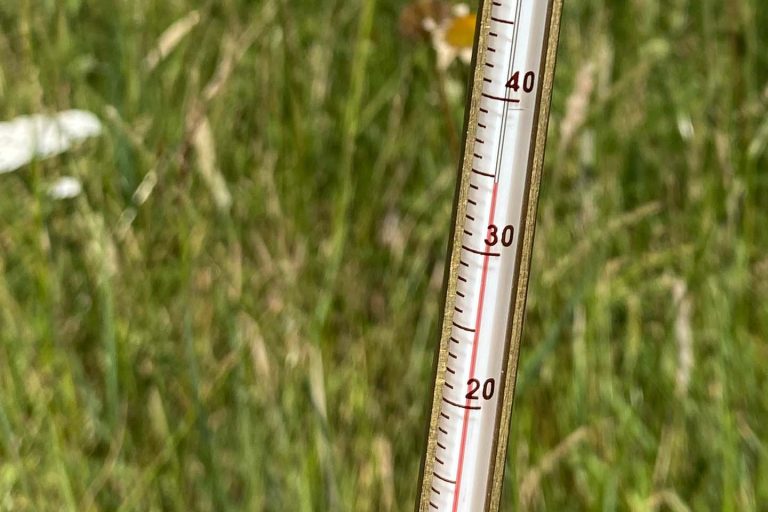
In the second heatwave of summer 2026, Morley Farms Manager David Jones reflects on what is and can be done on the farm to adapt to climate change.
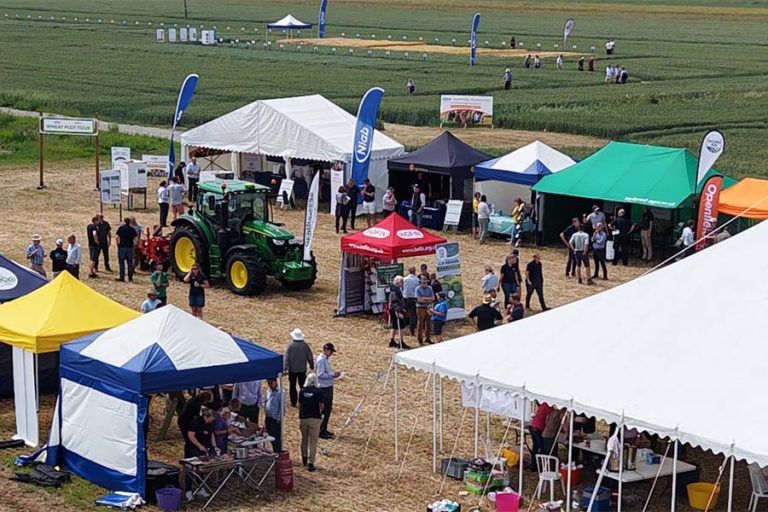
Ask our farmer visitors what they get from Innovation Day and the answer is often the same: “good conversation and help with my decision-making”. It’s a successful recipe, savoured by our guests and exhibitors at our 2026 event.
We are pleased that TMAF-supported PhD student Ian Tsang has successfully completed and reported his research.
The 2026 Morley Innovation Day in Norfolk showcases the latest arable advice and research from UK agribusinesses and research organisations. This free-to-attend event features a mix of field-based demonstrations and static exhibits, enabling attendees to interact with leading industry experts.
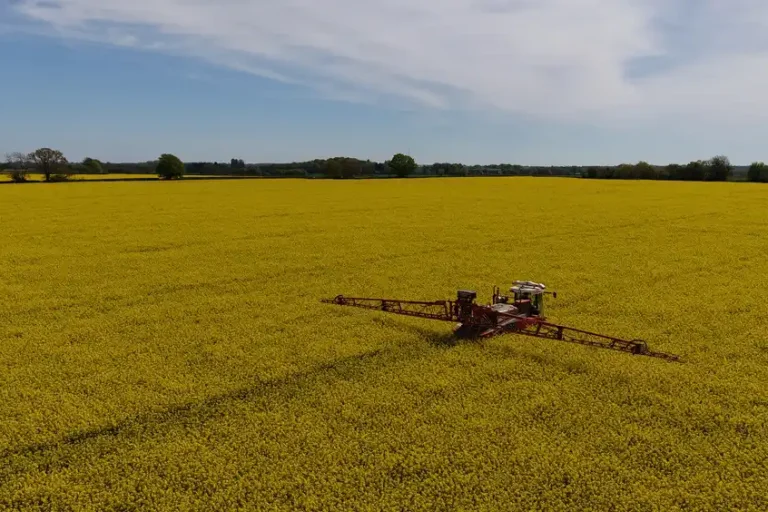
In late 2025, Morley Farms was awarded the ADOPT (Accelerating Development of Practices and Technologies) grant we applied for. It will fund the project “Adopting resilient sugar beet at farm scale”. Morley Farms Manager David Jones explains why we went for the grant and what his plans are now.
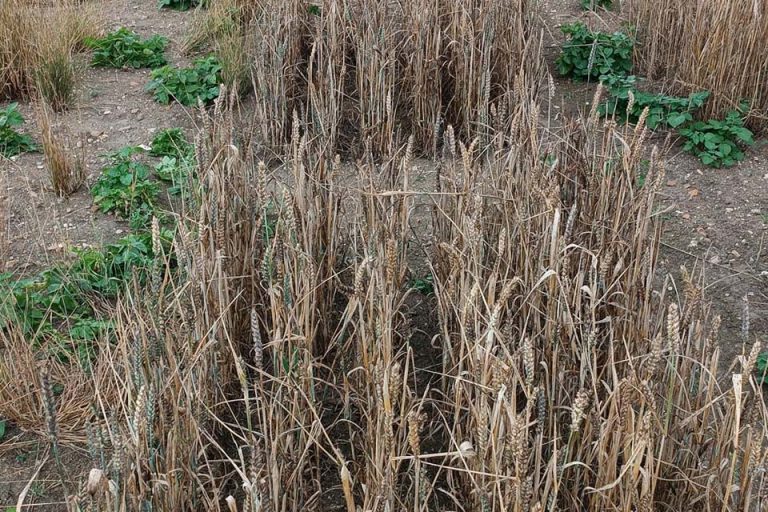
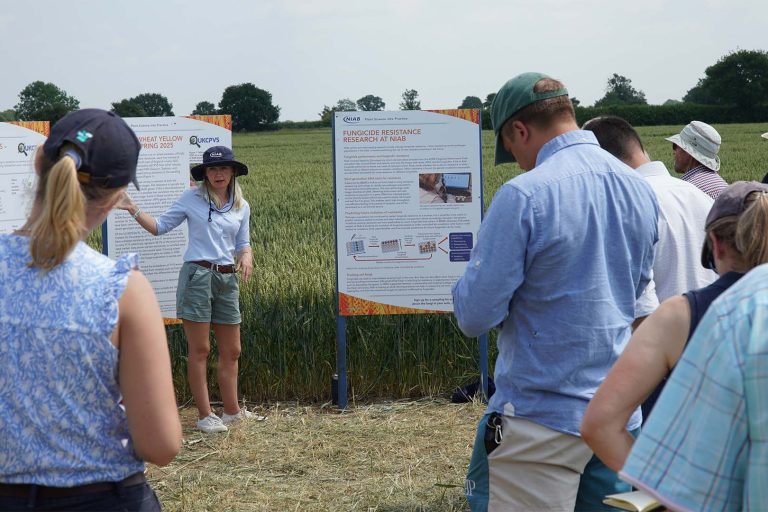
Miranda Bracy is well into her TMAF-supported PhD. She aims to help find control measures for Barley yellow dwarf virus (BYDV), one of the most damaging threats to UK cereals with potential losses up to 84% in wheat if early infections take hold.