Next state of flux: update July 2026
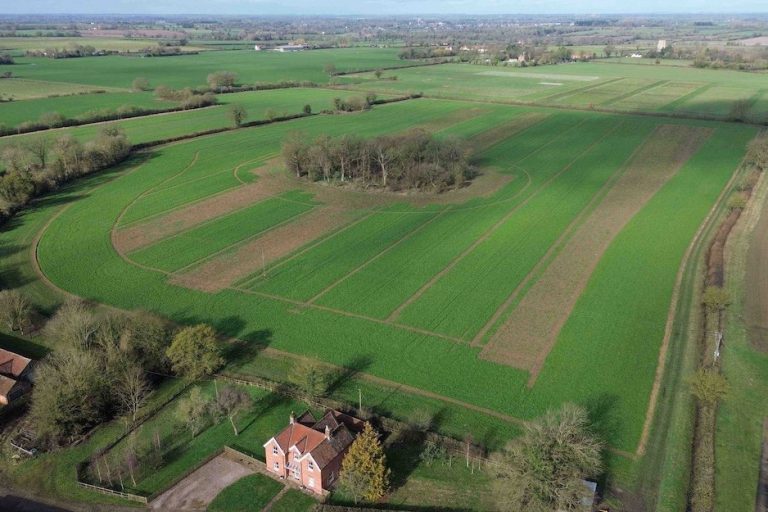
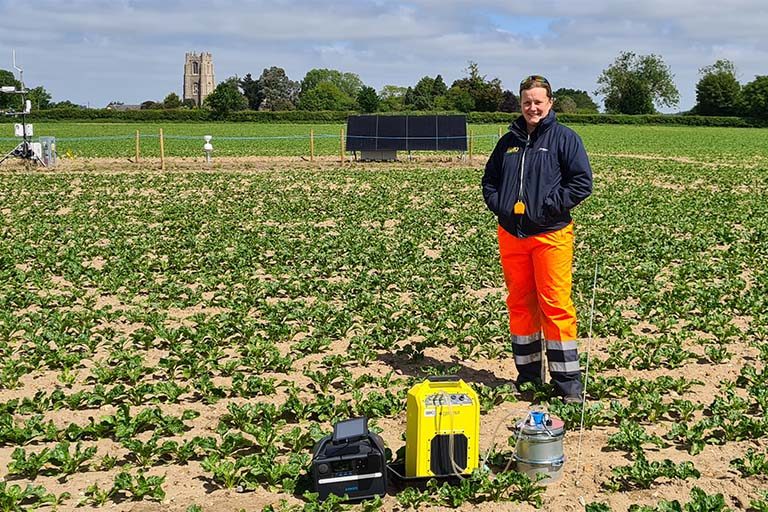
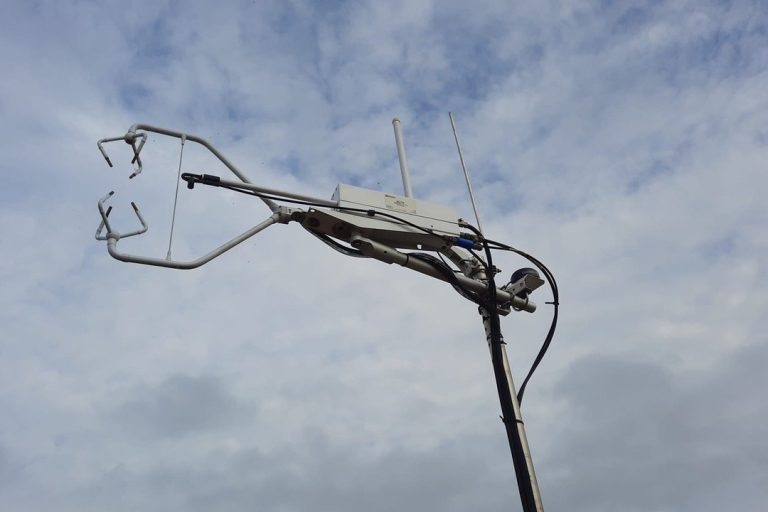
The TMAF flux tower project at Morley is providing a clearer picture of how sugar beet, cover crops and subsequent cereals affect carbon emissions across the rotation, reports Dr Georgina Barratt from BBRO.

The TMAF flux tower project at Morley is providing a clearer picture of how sugar beet, cover crops and subsequent cereals affect carbon emissions across the rotation, reports Dr Georgina Barratt from BBRO.
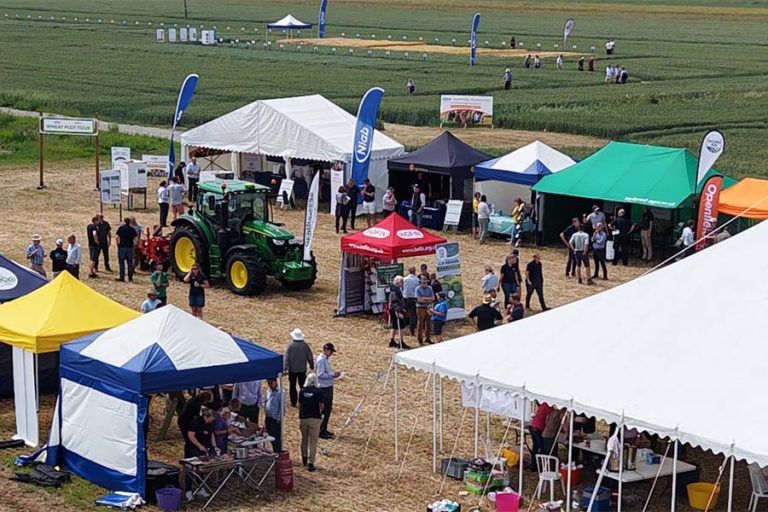
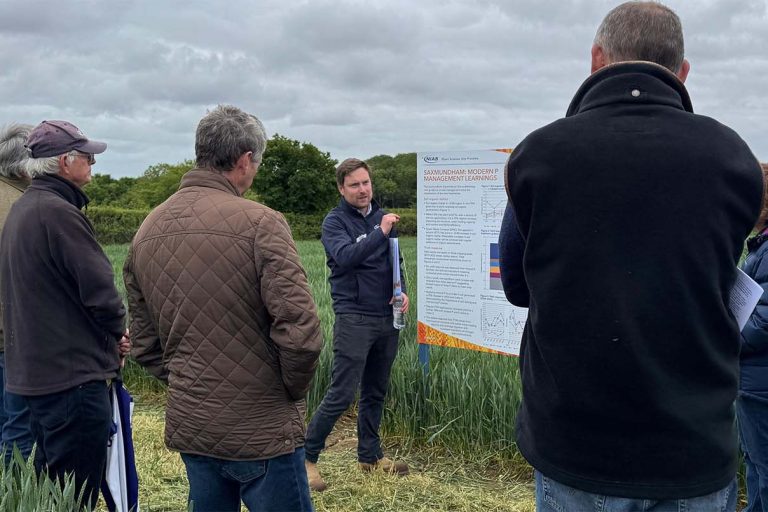
Ask our farmer visitors what they get from Innovation Day and the answer is often the same: “good conversation and help with my decision-making”. It’s a successful recipe, savoured by our guests and exhibitors at our 2026 event.
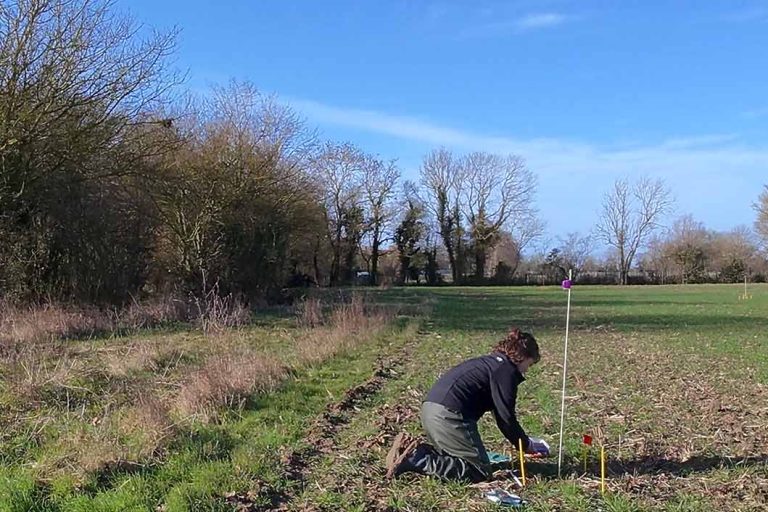
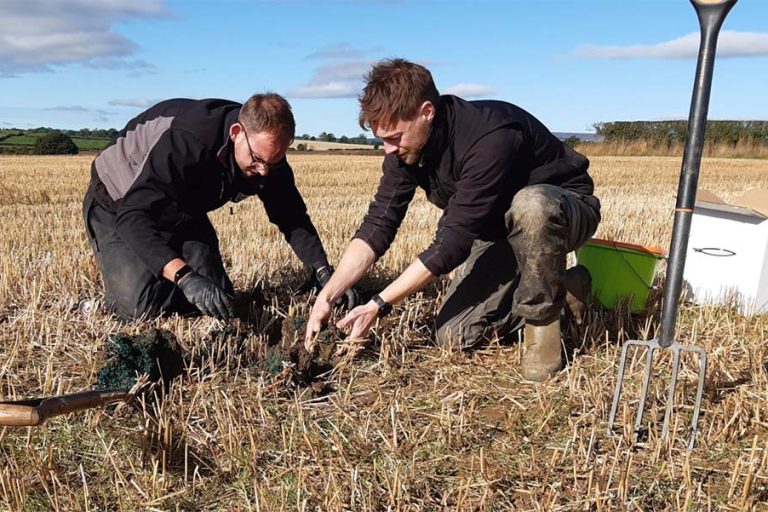
We are pleased that TMAF-supported PhD student Ian Tsang has successfully completed and reported his research.
In late 2025, Morley Farms was awarded the ADOPT (Accelerating Development of Practices and Technologies) grant we applied for. It will fund the project “Adopting resilient sugar beet at farm scale”. Morley Farms Manager David Jones explains why we went for the grant and what his plans are now.
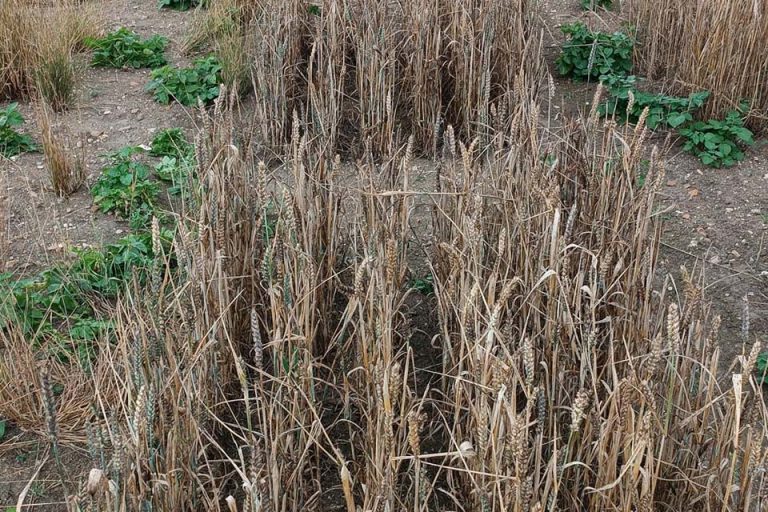
Miranda Bracy is well into her TMAF-supported PhD. She aims to help find control measures for Barley yellow dwarf virus (BYDV), one of the most damaging threats to UK cereals with potential losses up to 84% in wheat if early infections take hold.
Another younger researcher helped by TMAF is Joe Martlew. Now a Yorkshire-based applied research agronomist with Niab, he works across a broad range of topics with companies, supply chains, farmers and other businesses by translating science into practice. “I started off studying biology at university, just because I was interested in it. I’m from a…
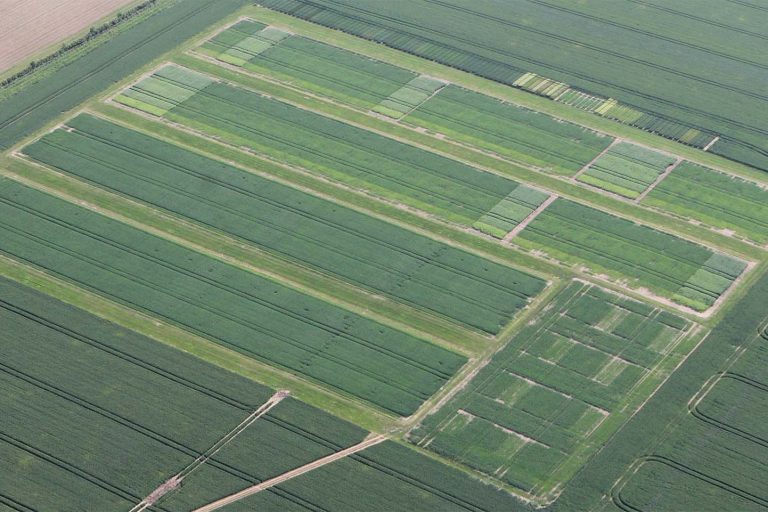
You are invited to find out about the New Farming Systems Experiments. Initiated in 2007, this series of large scale fully replicated long-term studies seeks to develop bio-sustainable cropping systems for conventional arable cropping. Find out more during Agri-Tech Week 2025.
The third example of current TMAF support for younger scientists features Alex Smart. In her first year of her PhD, she describes the balancing act between coursework, literature reviews, academic papers, learning new lab techniques, and starting pilot experiments.
The next in our series on the outcome of TMAF support for younger scientists focusses on the work and ambition of Dr Georgina Barratt. As Head of Crop Production with BBRO her goals are clear, for farming and for her own professional development.
TMAF prioritises investment in research and careers of younger scientists. Dr David Clarke explains what drew him to a career in agricultural science and how farming, farmers and TMAF are helping fulfil his career ambitions.