Another younger researcher helped by TMAF is Joe Martlew. Now a Yorkshire-based applied research agronomist with Niab, he works across a broad range of topics with companies, supply chains, farmers and other businesses by translating science into practice.
“I started off studying biology at university, just because I was interested in it. I’m from a rural background, but not farming, and although I worked on farms and various jobs in the countryside I never set out to be an agronomist!
I think that’s what’s been good about Clarkson’s farm. It’s exposing the wider audience to how many different, interesting careers you could have in food production.
Pivotal career moment
After university, I was self-employed – did a bit of farm contracting, arboriculture and forestry. Then I applied for an MPhil project at Harper Adams working with AGCO. The first time I looked around Harper I thought, this is absolutely amazing, all the facilities – it’s academia but rooted in the outside, all the stuff I wanted to do.
AGCO wanted to run some applied research in Zambia to open a centre for training and sales distribution. They offered me the opportunity to live in Zambia and manage their project.
It was awesome. It was a really cool way of learning project management and how to do things in challenging environments. My PhD at Cranfield later on was brilliant, but I never had to wait for things like tractors to be shipped across Namibia and get stuck in deserts!
How has TMAF contributed to your career progression?
I first came across TMAF when I started my PhD at Cranfield. TMAF sponsored the long-term experiments I collected all my data from. Within a three-year PhD, it’s really difficult to collect good field information because you only have one go a year. So it’s really cool to be able to use TMAF long term experiments because I could study what had been implemented for the last 10-15 years.
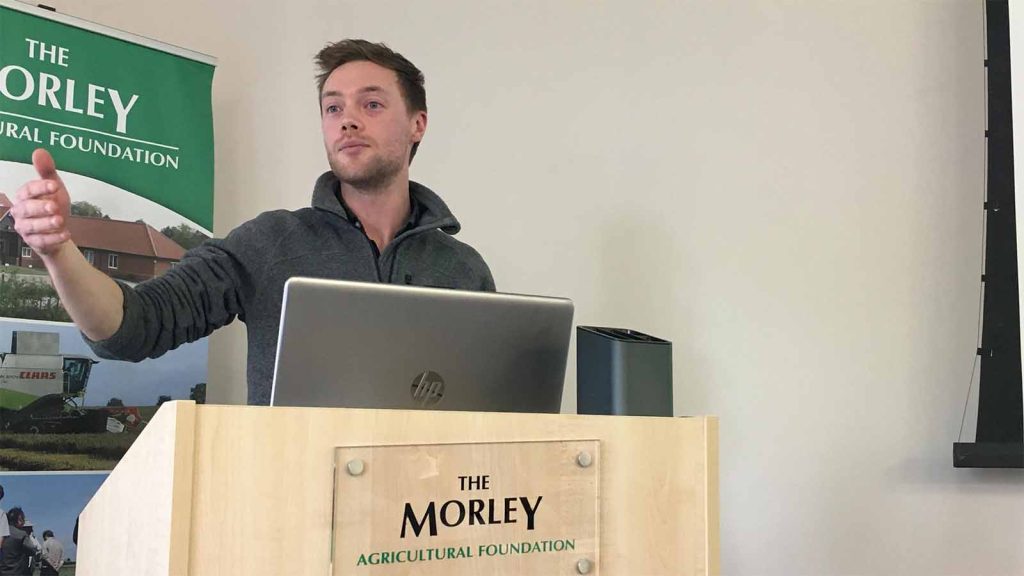
Since then, TMAF has given me lots of other opportunities. Probably the biggest thing is meeting lots of people. I’ve spoken at lots of TMAF AGM’s and events. I’ve had a useful relationship with TMAF Farm Manager David Jones. Especially for our applied science, being able to speak and help people understand science is really, really important. That’s something that David Jones is really supportive of which has given me lots of chances to develop those skills over the past 10 years.
The focus of your work now
After completing my PhD, I then worked as an agronomist, an on-farm consultant, for a few years, but then I stepped back into academia and joined Niab.
For me, this is the best place. Rather than the more formal academic world, here’s where we work in the messy space of putting things into real businesses, mixed up with economics, social science and more. I like working on complex problems, farming system problems we call them.
Examples of success: for the land, the farmer, the business
It’s definitely challenging with applied science, running workshops and trying to influence peoples’ behaviour. You see change happen quickly when we work as consultants.
For example, I worked with a large intensive salad grower in the South of England to advise their staff and give them a soil management plan. Overnight we took out three cultivations that just didn’t need to be there! That’s instant progress whereas the rest of what I do is a bit slower.
We’ll work with whoever wants to work with us. It can be businesses, companies, academia, government, NGOs, whoever to usually help understand their ideas with them and then understand how they could probably put their ideas to the test.
Applied research for the needs of contemporary farming
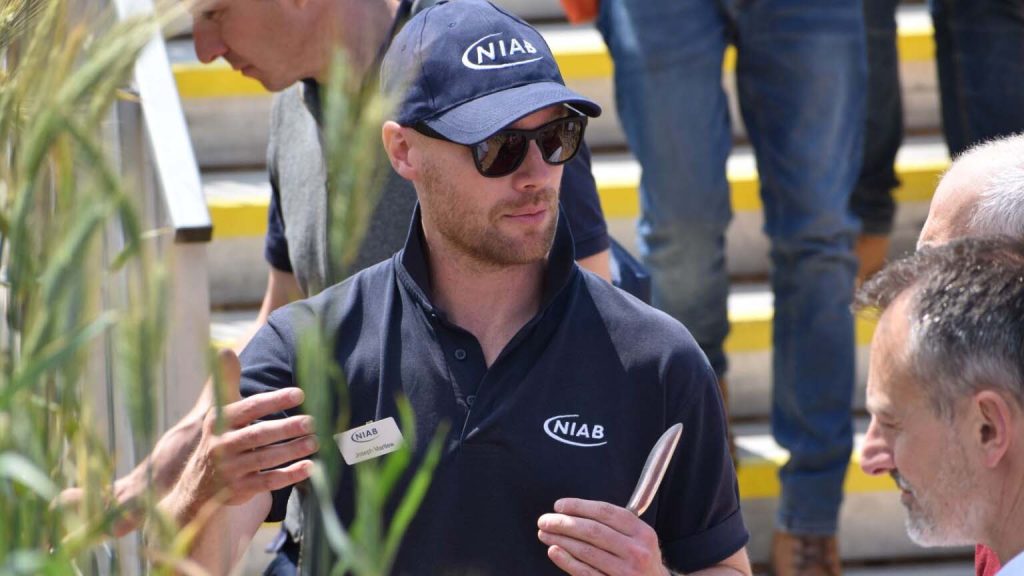
We’re starting to see especially younger qualified farm managers with really high levels of technical knowledge. They want to work with independents like me to understand the science and what data means. I’m excited to be part of that.
There’s lots of people telling farmers what to do and why to buy their certain product or service. Farmers are coming to us saying, “Is this true? Is this right? Should I do this?”. We are an independent arbiter. That’s the function we can provide.
Ongoing relationship with TMAF
I hope to continue working alongside TMAF. As Niab we run Morley as AHDB Strategic Farm East. So I still have nice contact with the research team there and see what’s going on.
Take the research Nathan Morris is doing, looking at varieties and how varieties adapt to different systems, it’s all charity-funded and without TMAF, this really important work doesn’t get done by the commercial sector. TMAF is funding some really incredibly important work and supporting us to do it at scale.
Systems approach to farming
In the past, systems thinking is not how we’ve done things in agricultural research.
Back when we had a lot more agrichemical actives coming to market, we had quick fixes. Now it requires taking a step back and thinking how to slot all these pieces together to maintain your net margin and your output and look after all the things that support that.
That’s the mindset shift needed now, to a systems approach more than a specific research subject or shift. In biological systems everything is interlinked.
Maintaining a good work life balance
I’m really happy with my work life balance. I enjoy spending time with my partner Kerri and our Labrador, making the most of the great walking on our doorstep in North Yorkshire
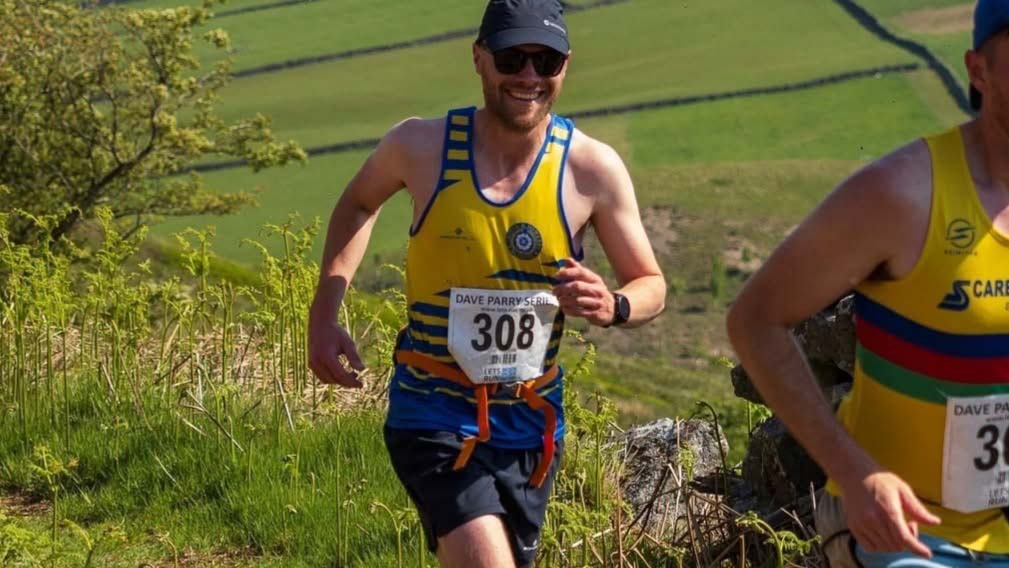
I enjoy fell/trail racing and I’m a ‘Leader in Running Fitness’ at my local club Thirsk and Sowerby Harriers. Fell racing is a brilliant and challenging sport that takes you to all sorts of places you might not ordinarily visit. Having moved to a new part of the country, it’s been a great way to meet likeminded folks in this area.
I do an interesting job that rewards me but also leaves me lots of time to do all the other things I want to do in life. So in 5-10 years. I’d hope I’d still be here doing this job doing interesting projects.”