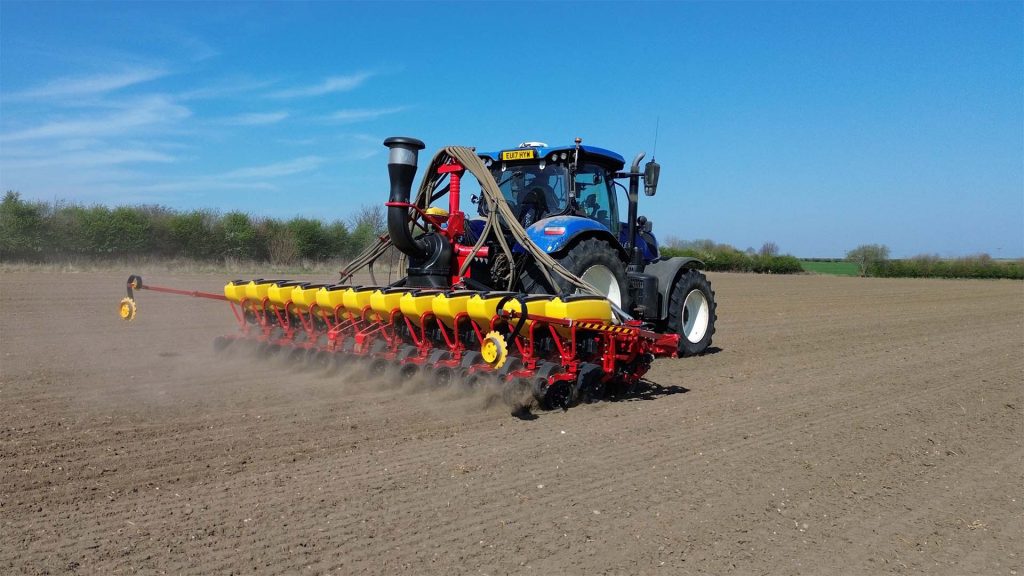
There is a lot more happening at Morley Farms than just farming. To explain, Farm Manager David Jones describes the farm, the farming resource and the many other types of work underway in every field.

Morley Farms is the standalone commercial arm of The Morley Agricultural Foundation, providing TMAF with a high proportion of its annual income. The farm rents the land and farm buildings from TMAF.
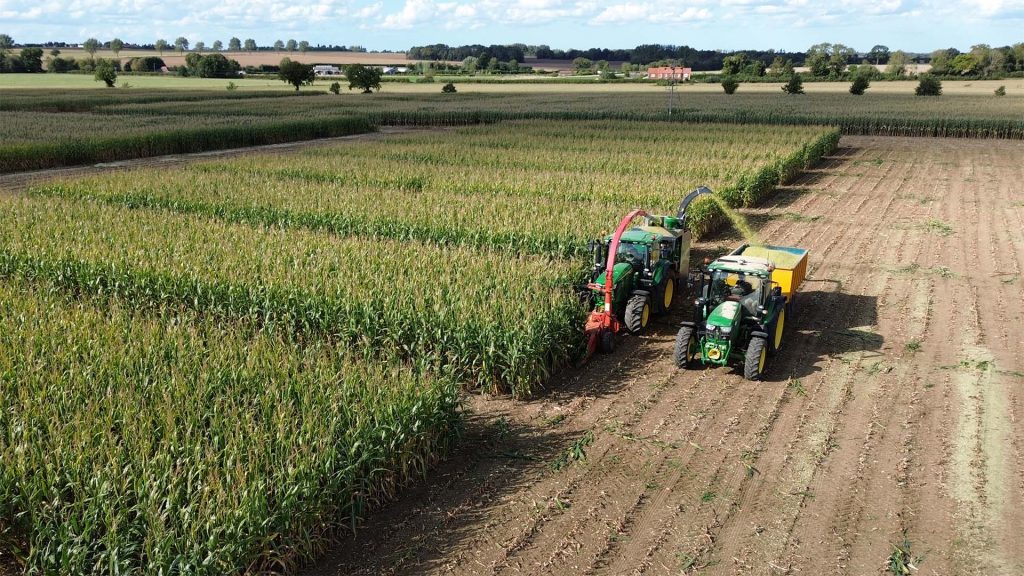
The land covers about 600ha with a further 90ha rented from the John Innes Centre. Morley Farms is not quite a typical South Norfolk farm; it is on sandy loam just north of the A11, and heaver clay soils to the south. The crop rotation is wheat, barley, sugar beet, OSR and forage maize. Along with the cropping, Morley Farms also works with other organisations to host field trials and events.

Niab
- TMAF and Morley Farms have a long history with Niab. Morley Farms is one of the largest trials locations for Niab and is its eastern regional centre.
- There are over 30 field trials made up of 8000 plots at the farm. These include trials for Niab members, pesticide manufacturers, seed breeders, government contracts as well as charity-funded trials.
- Most plots are 9 × 2m but some of the long-term experiments are larger, 12 × 36m. Niab is contracted by TMAF to conduct project work, e.g. Morley SAMS, New Farming Systems (NFS) and Morley LOTS.

John Innes Centre (JIC)
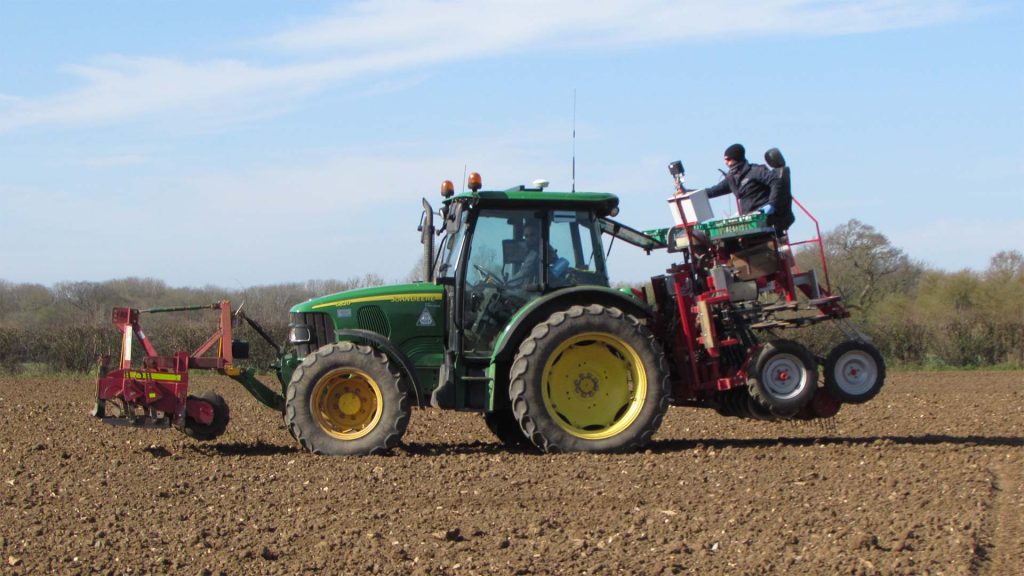
- Morley Farms rents Church farm from the John Innes Centre which is 90ha near Norwich. JIC have their field centre at Church farm.
- The trials at this site are mostly wheat but also barley, rice, lentils, OSR, potatoes, beans and grass peas. The trials occupy about 15ha with the remainder being commercial crops for Morley Farms.
- Having a crop rotation at the farm is important for the trials as it maintains the soil and controls weeds. This provides a blank canvas for future trials.
British Beet Research Organisation (BBRO)
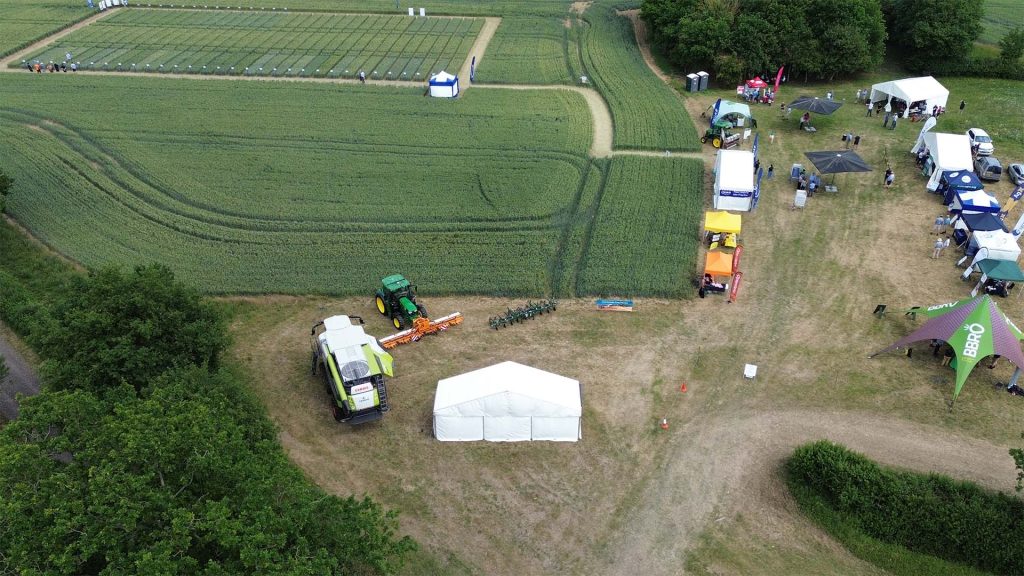
- Morley Farms is one of BBRO’s regional trials sites with about 1,000 plots investigating fungicides, nutrition varieties, viruses and aphids.
- A further area of the farm is set aside for variety demonstration which provide the backdrop for 2 grower events a year, with each attracting about 60 people and helping with their decision-making.

AHDB Strategic Farm 2023-2029
- Morley Farms became an AHDB Strategic Farm in 2023, for a 6-year programme of work.
- AHDB fund a series of field trials on subjects chosen by a steering group of farmers.
- The aim is to build on existing trials data and scale-up to part field scale. By the end there should be some take home messages and advice that farmers can put into use straight away.
Students
- The farm and all our projects are a place where MSc and PhD students can make use of resources to enhance their studies.
- For Niab and BBRO, it can provide add-on data that complements a much bigger project. For example, Louisa Moor, a PhD student studying at University of East Anglia, used Morley SAMS to collect soil organisms known as mesofauna. Studies show that mesofauna suppress pests and pathogens naturally due to their selective grazing, reducing the need for chemical applications such as pesticides and herbicides. Louisa is investigating this to understand the variability of carbon storage in the soil. This would be difficult without a local farm with a large data history.

British On Farm Innovation Network (BOFIN)
- In 2025 Morley Farms became a Root Ranger for BOFIN. BOFIN is leading a number of large research projects collaborating with academics at leading research institutes. They have developed a network of farmers that host and monitor farm trials.
- As a Root Ranger, Morley Farms collects soil and root samples along with assessment data for the BOFIN network.
Visitors
Throughout the year we welcome many groups to the farm. This includes farmers, agronomists and local general interest groups, e.g. our Parish Council.
Making it all work
Bringing together all these activities – trials, visiting researchers and farm walks and talks – on a farm that needs to be profitable as well as hospitable is not always straight forward.
We get many requests for help whether that is fields, plants, plots, soil types, space, equipment or my time. Of course, as Farm Manager, I always have a plan for each season ahead. However, things change and I have to come up with solutions.
Many farmers run diversified businesses these days, but what I do at Morley farms is pretty unique. Getting the right balance of commercial and non-commercial work takes a lot of thought, effort and good communication.
Every day may be different, but the aim is always the same: ensure Morley Farms makes money and keeps attracting – and satisfying – those researchers and visitors who wish to use our farm to help find solutions to farming’s challenges.