TMAF-supported PhD student Anisa Blower reports her second year of research at NIAB and the University of Nottingham.

Anise Blower
In my PhD project, I’m exploring the diversity of wheat ancestors for new genes that can be used to better manage a prevalent fungal disease in wheat called Septoria tritici blotch disease (STB).
I completed my integrated Masters in Biological Sciences at the University of Warwick with a research background in microbiology.
I have had a long-standing interest in sustainable agriculture and have been excited toget involved in a project combining my interest in plants, microbes, with the potential to impact real-world crop production with more sustainable agriculture.
Why is my research important?
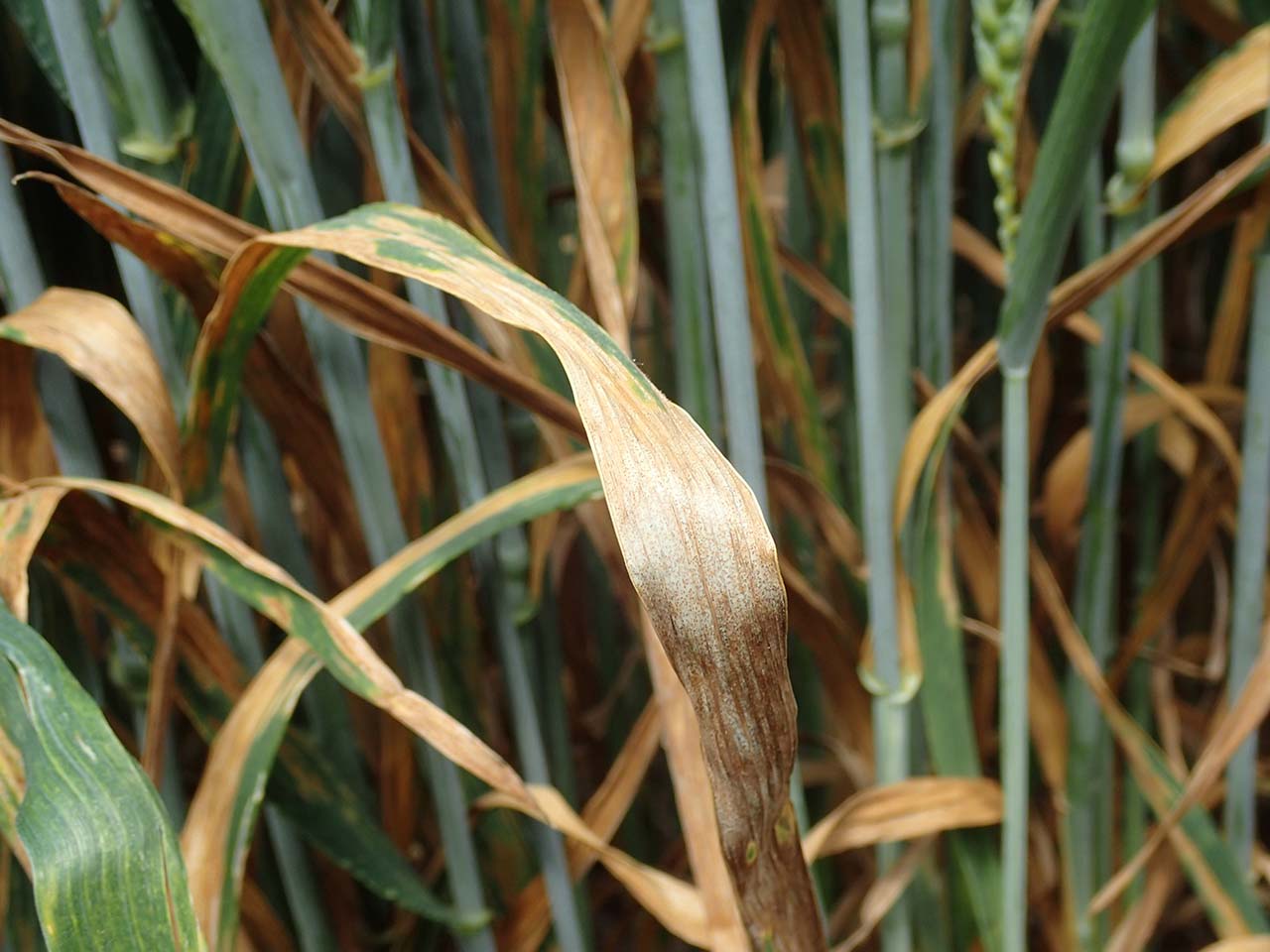
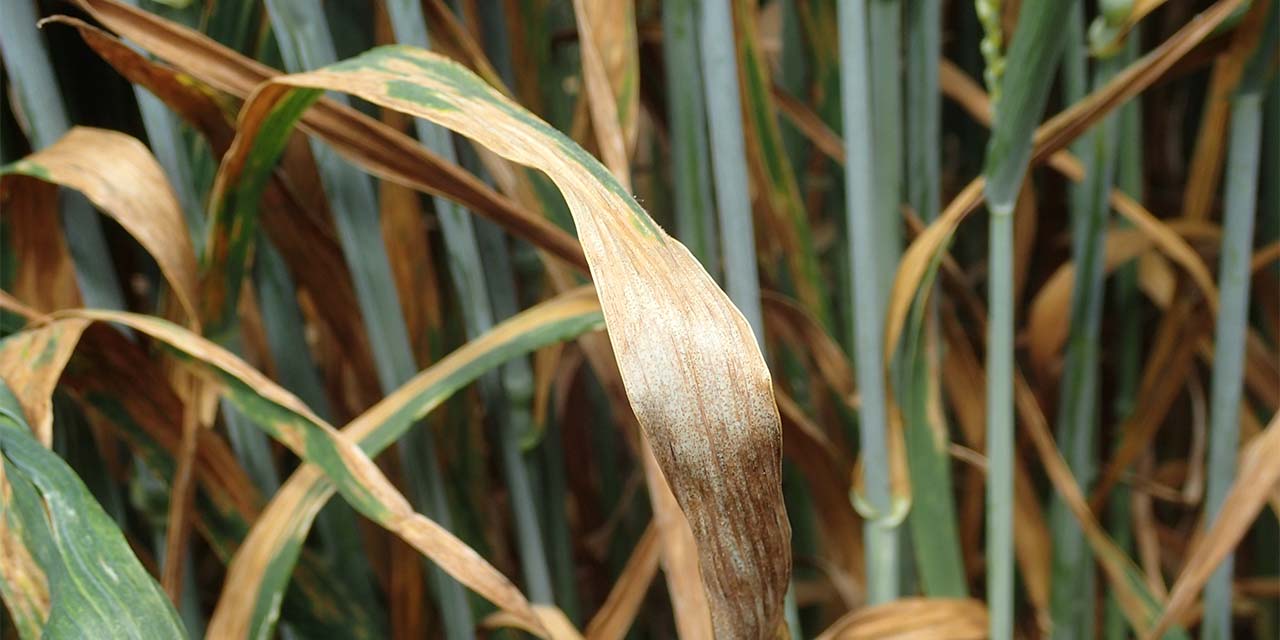
STB is caused by a pathogen called Zymoseptoria tritici, which is a threat to wheat yield worldwide.
Management of STB accounts for over 70% of all northern European fungicide used on wheat!
Wild populations of the pathogen carry a lot of genetic resistance to fungicides, which has lead to a decrease in the effectiveness of current fungicides.
My approach to tackle this is to identify new genetic resistances against STB that provide robust protection against the disease in the UK. This will help improve STB management and reduce our dependence on fungicides for sufficient control.
What’s the plan?

NIAB recently developed a new population of wheat called Synthetic Hexaploid Wheat (SHW) by crossing pasta wheat with a diverse selection of wild goat grasses. This wheat could provide a new source of genetic diversity to breed resource-use efficient and disease resistant commercial wheat varieties.
I have been testing this population of SHW to identify lines displaying STB resistance. These will be assessed in the field and under artificial conditions, infecting the plants using specific strains of the pathogen relevant to UK wheat farming.
What have I discovered so far?
My initial results revealed that many SHW display a remarkably high level of resistance to the pathogen. My next step is to dig deeper into this new resource and develop an understanding of how these SHW plants resist Septoria. By doing this we can provide plant breeders with powerful genetic tools to develop the next generation of resistant wheat varieties.
Want to know more?
If you want to know more about this research simply complete the form below.